Smart and secure IT solutions for demanding environments
Global harmonization of VMware clusters
Our multinational client wanted to standardize its server and storage environments across multiple countries. The goal was to create an easily repeatable, budgetable model that simplifies procurement and reduces maintenance costs.
Core of the Solution and Benefits:
- Capacity tailored to needs: We defined server and storage resources based on a predictable model.
- Standardized components: Three basic sizes were created – Small, Medium, and Custom – allowing the solution to be easily replicated in different countries with minor modifications.
- Cost-efficiency in procurement: Combining multiple projects enabled more favorable contract prices and simplified bidding processes.
- Easier internal communication: The standardized model can be easily presented to different country units and management, which speeds up decision-making.
- Harmonization of warranty and logistics: Warranty practices from different manufacturers were standardized and documented for global use.
- International special challenges resolved: Non-EU markets, customs requirements, and logistical constraints were taken into account.
- Continuous optimization: The model supports continuous capacity monitoring and updates without separate re-designs.
Results:
The client received a predictable and repeatable procurement model that reduced manual work, accelerated deployments, and improved cost management globally.

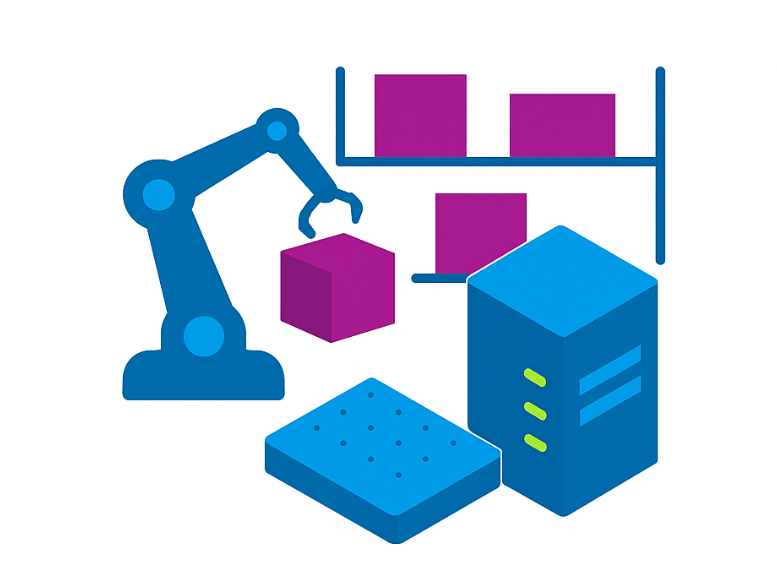
Modernization of IT infrastructure for warehouse automation
Our logistics client wanted to investigate how the IT infrastructure supporting warehouse automation could be unified and developed towards a more centralized direction. The company used several different applications, which were installed on application-specific bare metal servers, making maintenance heavy and increasing costs. The goal was to map the current environment, identify the benefits and potential limitations of centralization, and assess the impact of investments on the business.
Project Focus Areas and Progress:
- Current State Mapping: A comprehensive overview of the client’s IT environment was created based on interviews and system data.
- Evaluation of Centralized Infrastructure: Options were explored for migrating different applications to a common environment or a virtualized platform.
- Cost and Benefit Comparison: Budgetary prices were defined for different options, enabling the client’s IT Operations team to initiate discussions with the business regarding cost implications.
- Ensuring Continuity: A model was built where data security and usability can be maintained regardless of the environment in which the applications ultimately operate.
- Goal and Schedule: The project aims for an implementation phase during Q4/2025 – Q1/2026, when the solution will scale as part of the client’s broader automation architecture.
Results to Date:
The client has gained a clear understanding of the cost structure and development potential of its current IT environment. Discussions between technical and financial implications have been facilitated, and the next phase of the project will focus on selecting the optimal implementation model.
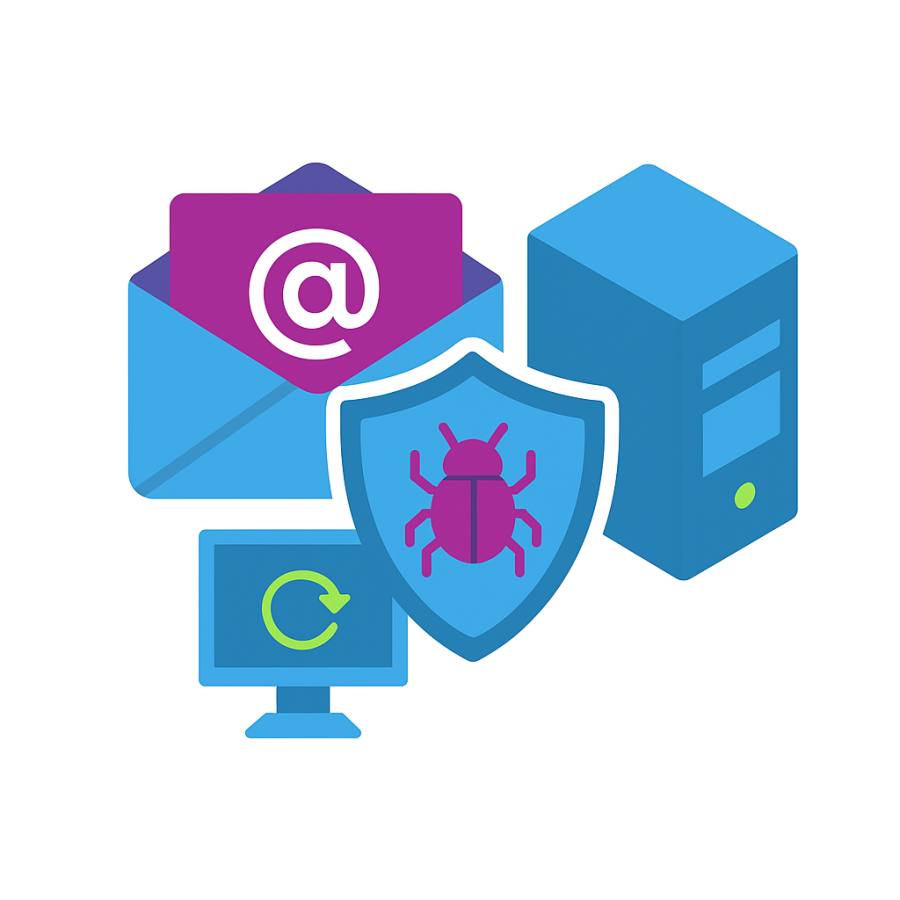
Filtering email traffic from threats and securing the M365 environment
The client organization had limited staff resources for managing and removing malicious emails from their environment. This situation posed risks to data security and slowed down the IT team’s work, as manual review consumed a significant portion of daily resources. The goal was to find an automated and efficient way to filter malicious traffic and comprehensively secure the M365 environment, also for recovery situations.
Solution Content and Benefits:
- Automatic Malicious Message Detection: A solution was implemented that utilizes AI-powered tools to detect and remove malicious messages before they reach end-users’ inboxes.
- Managed Email Traffic: Monitoring and reporting features were added to the system, allowing deleted messages to be tracked and restored in a controlled manner if necessary.
- Backup and Recovery: An easy-to-use backup and recovery solution was implemented to protect against user errors (e.g., accidentally deleted email or file) and speed up operations in a post-cyberattack recovery scenario.
- Liberation of IT Resources: Thanks to automation, manual maintenance was reduced, and the IT team can now focus on more business-critical tasks.
- Strengthening Data Security: The overall solution significantly reduced the success risk of phishing and malware, and brought better transparency to email traffic.
Results:
The solution improved the security and operational reliability of the email system without increasing the IT team’s workload. The automated malicious message detection and recovery system now form a sustainable foundation for the client’s continuous protection and development of their M365 environment.
Global Secure Printing Model as a SaaS Service
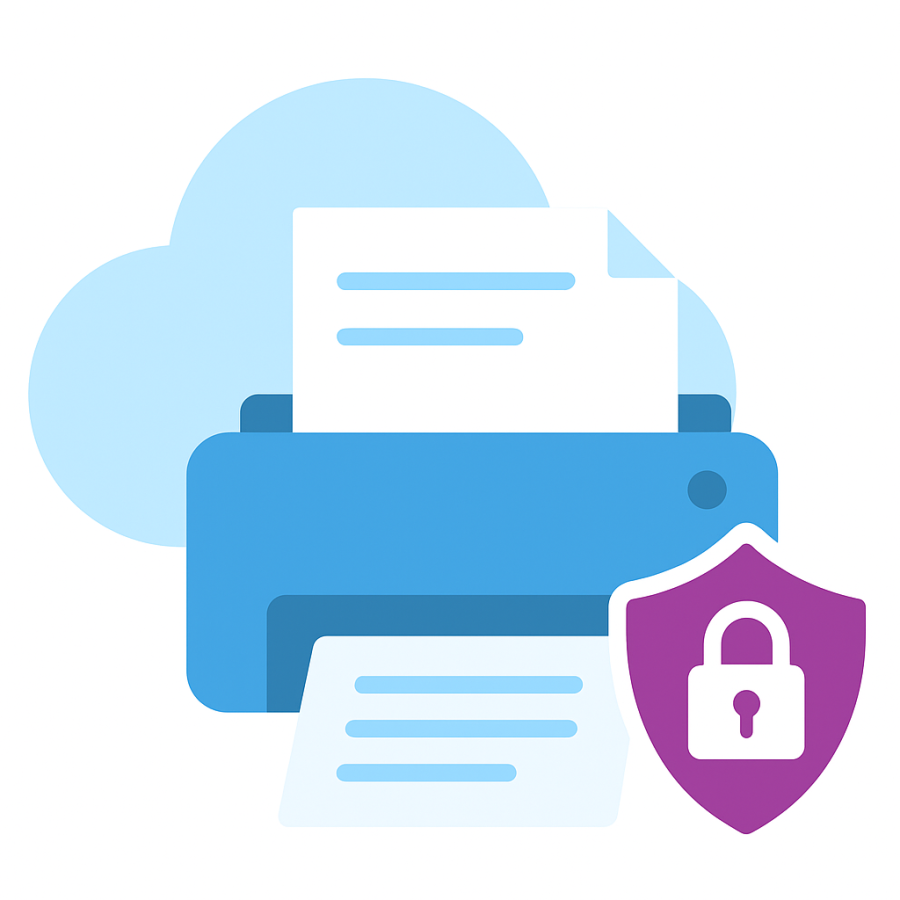
Our customer wanted to unify their fragmented printing infrastructure and transition to a modern, cloud-based secure printing solution. Initially, the organization used dozens of different printer models from multiple manufacturers, which made management and ensuring data security challenging. The goal was to find a global solution that would work across all markets, on all devices, and support the company’s data security and governance principles.
Key Aspects of the Solution and Achieved Benefits:
- Unified Global Service Model: A SaaS-based secure printing solution was implemented, which operates device-independently and covers all of the customer’s locations.
- Centralized Management: Maintenance and monitoring of the printer fleet were centralized, allowing maintenance personnel to receive automatic fault notifications in their monitoring applications and react to issues proactively.
- Managed Printing: Users release their print jobs from their own queue at a chosen device, which reduces unnecessary printouts and improves data security.
- Enhanced Data Security: Secure printing prevents confidential documents from falling into the wrong hands and ensures that only an authorized user can print their documents.
- Realization of Governance: The solution supports the customer’s internal data security and governance principles (governance), bringing visibility and control to all printing events.
- Benefits of Device Independence: The new model enables flexibility in device procurement and facilitates vendor changes without requiring service modifications.
Results to Date:
The customer achieved significantly better manageability and data security in their printing environment. The cloud-based SaaS model reduced maintenance workload, improved cost-effectiveness, and laid the foundation for a globally repeatable, scalable operating model.
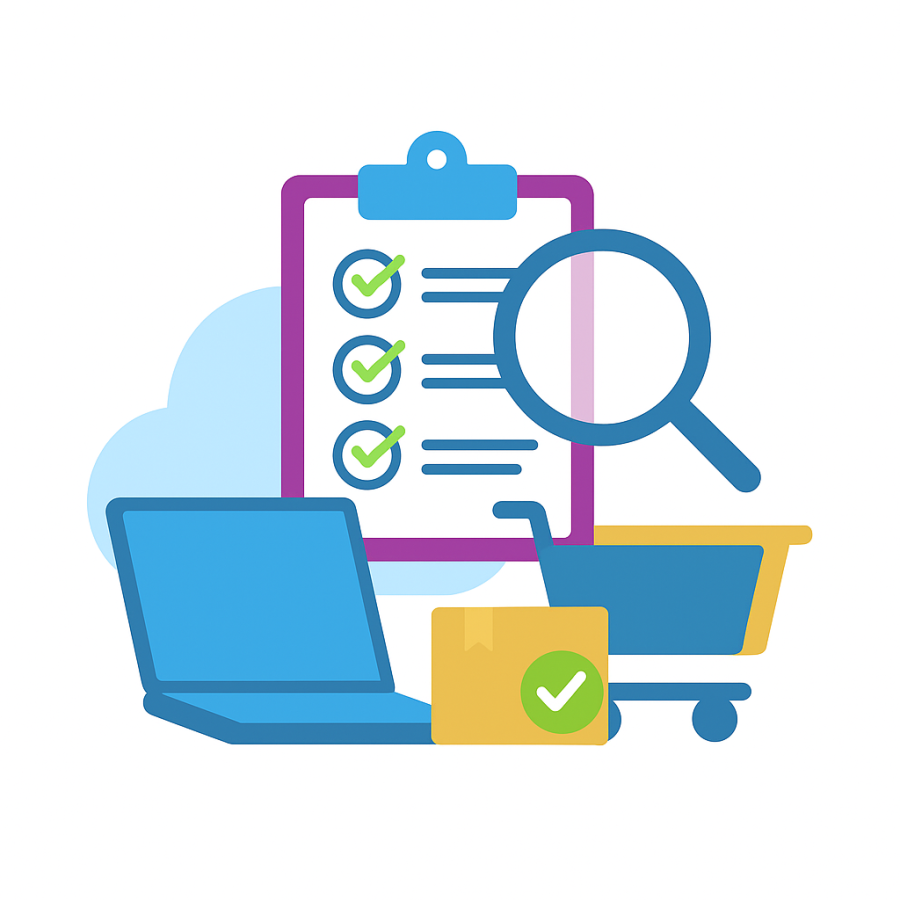
Standardization of workstation acquisitions and easy purchasing
The client organization wanted to standardize its workstation acquisitions and facilitate the management of device purchases across different locations. The goal was to build a clear and managed process where decision-making, device selections, and deliveries proceed quickly and predictably — without separate tenders for each acquisition.
Solution content and benefits:
- Competitive tendering for device manufacturers: A tender comparison was carried out based on the technical and quality criteria defined by the client, ensuring the outcome met both requirements and cost targets.
- Standardized device selection: In collaboration with the client, a concise yet comprehensive collection of models was formed, which facilitates decision-making and simplifies device management throughout the organization.
- Comparison of docking solutions: Different docking options were investigated, providing appropriate and space-optimizing solutions for various work environments.
- Easy purchasing from the marketplace: Device inventories were made available to the client in our own marketplace with pre-negotiated volume prices, allowing even individual devices to be easily acquired under the same terms.
- Location-specific information readily available: Client location details were included in the marketplace, which speeds up deliveries and reduces manual work when placing orders.
- Purchase history tracking: All acquisitions are saved in the marketplace history, making order management and reporting smooth and transparent.
Results:
The customer gained access to a centralized and managed device procurement model, which reduces manual work, speeds up the procurement process, and brings significant cost savings. A standardized selection and pre-competed prices enable a cost-effective, predictable, and easily manageable IT procurement environment.